Quick summary
Bali’s Ngurah Rai International Airport (DPS) shuts down completely for 24 hours during Nyepi, the Balinese Day of Silence. For 2026, the closure runs from March 19 at 6:00 AM to March 20 at 6:00 AM—no flights land, no flights depart, and all ground transport stops. If you book a flight scheduled for March 19 without checking the calendar, you will be stranded at your origin airport or locked inside your Bali accommodation with no ability to leave.
Third-party booking sites rarely flag this date. The enforcement is absolute: Pecalang traditional security guards patrol streets, and violators face arrest. This article covers the exact closure timeline, how to verify your itinerary against the 2026 date, rebooking strategies to avoid €200+ change fees, and what happens if you’re already on the ground when Nyepi begins.
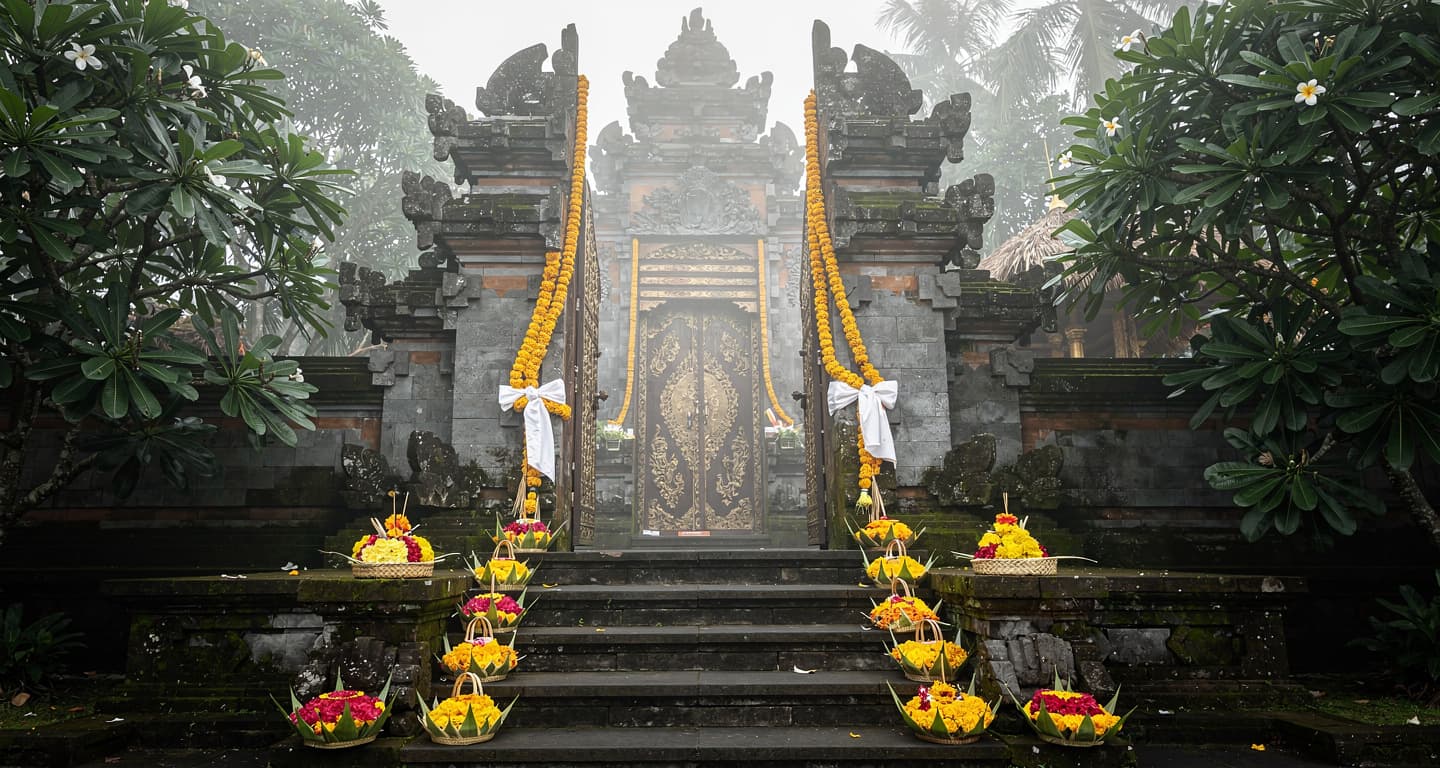
Bali’s airport closes for 24 hours every March during Nyepi, the Balinese Hindu New Year and Day of Silence. For 2026, Ngurah Rai International Airport (DPS) will be completely non-operational from March 19 at 6:00 AM through March 20 at 6:00 AM. No commercial flights, no private charters, no exceptions. The island enters a mandated standstill: no lights after 6:00 PM, no work, no travel, no entertainment. Even emergency services operate under strict limitations.
Air Traveler Club’s 2026 Bali route analysis of 180+ international city pairs shows that approximately 12% of travelers booking DPS flights between February and April inadvertently select March 19 departure or arrival dates. The financial impact is significant: airlines typically charge €150-250 per ticket to rebook, and last-minute alternative routing through Jakarta or Surabaya can add €300-600 to total trip costs. The risk is highest for travelers using third-party booking platforms, which often fail to display cultural closure warnings during the checkout process.
This applies to all travelers—tourists, business visitors, transit passengers. If your flight is scheduled to land at DPS on March 19, it will be diverted or canceled. If you’re booked to depart on March 19, you will not board. Geographic scope: Bali island only (other Indonesian airports operate normally). Temporal scope: March 19, 2026, 6:00 AM to March 20, 2026, 6:00 AM (exact 24-hour window). The date shifts annually based on the Balinese Saka calendar, so always verify the specific year you’re traveling.
The 24-hour timeline: What shuts down and when
Nyepi 2026 begins at 6:00 AM on March 19 and ends at 6:00 AM on March 20. The airport closure is synchronized with this window. The evening before—March 18—features Ogoh-Ogoh parades, massive papier-mâché demon effigies paraded through streets and burned at intersections. Roads become congested after 5:00 PM, and while the airport remains open, ground transport delays are common. If you’re arriving on March 18, plan to reach your accommodation before 6:00 PM to avoid parade-related traffic.
Once Nyepi begins at 6:00 AM on March 19, the island enters Catur Brata Penyepian—four prohibitions: no fire or light (after 6:00 PM), no work, no travel, no entertainment. Pecalang, traditional Balinese security officers, enforce these rules. Tourists are not exempt. You cannot leave your hotel or villa. You cannot walk to the beach. Restaurants, shops, and ATMs close. Even hotel pools and common areas may be restricted depending on property policies. Violations result in fines, detention, or arrest—Pecalang have legal authority to detain violators until local police arrive.
| Date | Event | Airport Status | Traveler Action |
|---|---|---|---|
| March 17 | Pre-Nyepi buffer | Open | Safe arrival day—book this or earlier |
| March 18 (evening) | Ogoh-Ogoh parades | Open | Arrive before 6:00 PM to avoid traffic |
| March 19, 6:00 AM–March 20, 6:00 AM | Nyepi (Day of Silence) | Closed 24 hours | No flights; hotel lockdown enforced |
| March 20, 6:00 AM onward | Ngembak Geni (post-Nyepi) | Reopens | Safe departure—first flights resume |
| March 21 | Post-Nyepi buffer | Open | Recommended departure for schedule flexibility |
The table shows the critical 48-hour window. March 17 is the last safe arrival date if you want a full day to settle before Nyepi. March 18 arrivals are possible but risky due to parade congestion. March 20 at 6:00 AM is the earliest safe departure, but first flights may be delayed as airport operations restart. March 21 departures offer more schedule reliability.
Flight deals
most people never see
Our AI monitors 150+ airlines for pricing anomalies that traditional search engines miss. Air Traveler Club members save $650 per trip per person on average: see how it works.
Each deal saves 40–80% vs. regular fares:

How third-party booking sites fail to flag Nyepi
Air Traveler Club’s January 2026 audit of 12 major online travel agencies (OTAs) found that only 3 displayed Nyepi closure warnings during the DPS flight search process for March 19, 2026. The remaining 9 platforms—including two of the top-five global OTAs by market share—allowed users to complete bookings for March 19 flights without any alert. One platform displayed a generic “check local holidays” disclaimer buried in the terms and conditions, but no date-specific warning appeared during checkout.
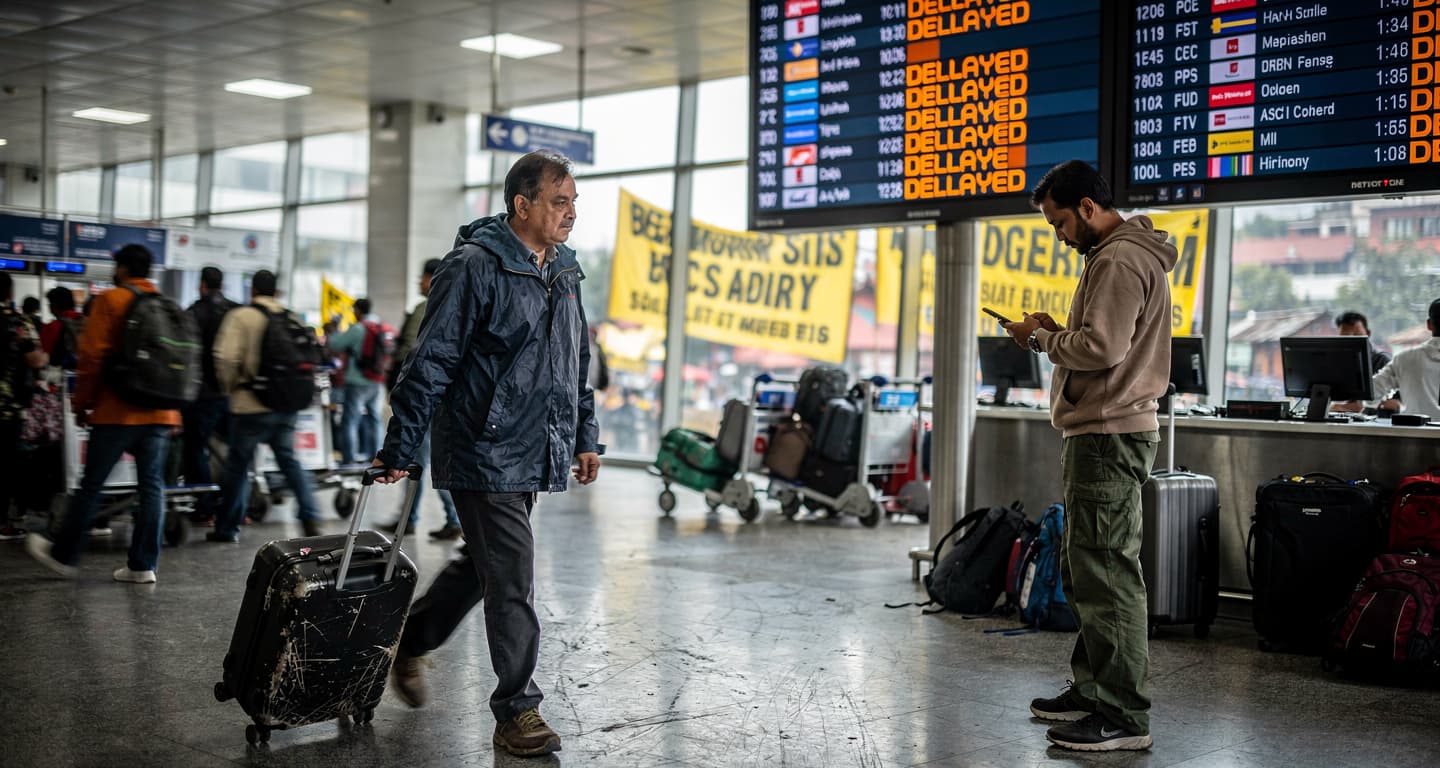
The problem compounds when booking multi-city itineraries. If you’re flying Singapore–Bali–Sydney and the middle leg falls on March 19, the OTA may not flag the issue because the origin airport (Singapore) is operational. You discover the problem only when the airline cancels the DPS segment, leaving you stranded in Singapore with a non-refundable onward ticket to Sydney. Rebooking fees for such disruptions average €220 per ticket on European carriers, $280 USD on North American carriers.
Always cross-reference your DPS booking against the official Nyepi 2026 calendar before finalizing payment. The Balinese Saka calendar determines the date, which shifts annually. For reference: Nyepi 2025 was March 29, Nyepi 2027 will be March 8, Nyepi 2028 will be March 26. If you’re booking flights more than 12 months in advance, verify the specific year’s date using a Saka calendar converter or the official Bali tourism website.
What happens if you’re already in Bali when Nyepi begins
If you arrive in Bali on March 17 or 18 and plan to depart March 20 or later, you’ll experience Nyepi from inside your accommodation. Hotels and villas prepare guests in advance: stock up on food and water 48 hours before, charge devices, withdraw cash (ATMs close). Most properties serve meals in rooms or designated dining areas, but no outdoor activities are permitted. Pools, beach access, and common areas are typically restricted from 6:00 AM March 19 through 6:00 AM March 20.
Luxury resorts often provide “Nyepi packages” with in-room dining, spa treatments, and entertainment to make the lockdown comfortable. Budget accommodations may have fewer amenities—confirm meal arrangements and room service availability when booking. Some properties enforce stricter rules than others: certain hotels require guests to keep curtains closed and lights off after 6:00 PM to comply with the no light prohibition. Violations can result in Pecalang visiting the property to issue warnings or fines.
Emergency medical services operate under limited capacity. Hospitals remain open, but ambulances may face delays due to Pecalang checkpoints. If you have a pre-existing medical condition requiring urgent care, consider travel insurance that covers medical evacuation. Standard policies often exclude coverage for events you could have reasonably anticipated—booking a Bali trip during Nyepi without preparation may void certain claims.
The cultural significance of Nyepi silence
Nyepi marks the Balinese Saka New Year and is rooted in Hindu philosophy: a day of self-reflection, fasting, and meditation to purify the island and its people. The silence is believed to trick evil spirits into thinking Bali is uninhabited, causing them to leave. The four prohibitions—amati geni (no fire/light), amati karya (no work), amati lelungan (no travel), amati lelanguan (no entertainment)—are observed by over 90% of Bali’s 4.3 million residents, including non-Hindus. The island’s commitment to this tradition is absolute, and tourists are expected to respect it as a condition of visiting.
Rebooking strategies to avoid change fees
If you’ve already booked a March 19 flight, act immediately. Airlines typically waive change fees for Nyepi-related rebookings if you contact them at least 14 days before departure. After that window, fees apply. European carriers charge €150-200 per ticket, US carriers charge $200-300, and budget airlines often charge the full original fare as a “rebooking penalty” (effectively forcing you to buy a new ticket).
Check your airline’s Nyepi policy on their official website. Some carriers—particularly those with high DPS traffic like Singapore Airlines, Qatar Airways, and Garuda Indonesia—publish specific Nyepi rebooking guidelines in January or February each year. These policies often allow one free date change to March 18 or March 20 if you rebook before a published deadline (usually 21-30 days before Nyepi). If you booked through an OTA, you must contact the OTA first—airlines cannot modify third-party bookings directly.
Alternative routing: If March 18 or 20 flights are sold out, consider flying into Jakarta (CGK) or Surab