Quick summary
Australia’s biosecurity fines escalated to $660-$6,600 AUD in 2026, with undeclared high-risk goods (meat, seeds, plant material) triggering $1,980-$3,960 penalties and concealed items reaching $6,600. The 2025 enforcement year saw 359,000 traveler inspections and 64 tonnes of meat seized at airports.
Declaration eliminates all fines—even prohibited items are simply confiscated without penalty. This article covers the updated fine structure, high-risk goods determination, real enforcement cases, and a pre-landing checklist for travelers arriving from Europe, North America, and Asia-Pacific.
Australia’s airport biosecurity fines now start at $660 AUD for undeclared low-risk items and escalate to $6,600 for concealed goods, based on penalty units valued at $330 each as of 2026. Air Traveler Club’s analysis of Department of Agriculture enforcement data shows 359,000 passenger inspections in 2025, with detector dogs flagging 40,000 cases and officers seizing 64 tonnes of undeclared meat. The fine structure applies to all international arrivals at Sydney, Melbourne, Brisbane, Perth, and regional entry points.
For travelers arriving on flights to Australia from Europe, North America, or Asia-Pacific routes, the risk window begins the moment you board your final flight. That airline meal apple, the seeds in your backpack from a hiking trip, or wooden souvenirs purchased duty-free all fall under Australia’s Biosecurity Act 2015. Geographic scope: all Australian airports. Temporal scope: enforcement active year-round, with heightened scrutiny during peak travel seasons (December-February, June-August).
The four-tier fine structure that replaced the old $375 myth
The widely circulated “$375 fine” figure is outdated—it predates the 2023 penalty unit increase from $275 to $330. Current airport infringement notices operate on a four-tier system tied to risk level and concealment, not item value. A passenger who forgets to declare a single piece of fruit faces a different penalty than someone hiding plant seeds in luggage lining.
Standard undeclared items (low biosecurity risk) trigger 2 penalty units ($660). High-risk undeclared goods—meat, dairy, seeds, soil, wooden items—escalate to 6-12 penalty units ($1,980-$3,960). Concealed items, defined as goods hidden in false compartments or deliberately obscured, reach 20 penalty units ($6,600). Court prosecution for severe breaches can impose fines up to $396,000 plus imprisonment, though airport infringement notices resolve 99% of cases on the spot.
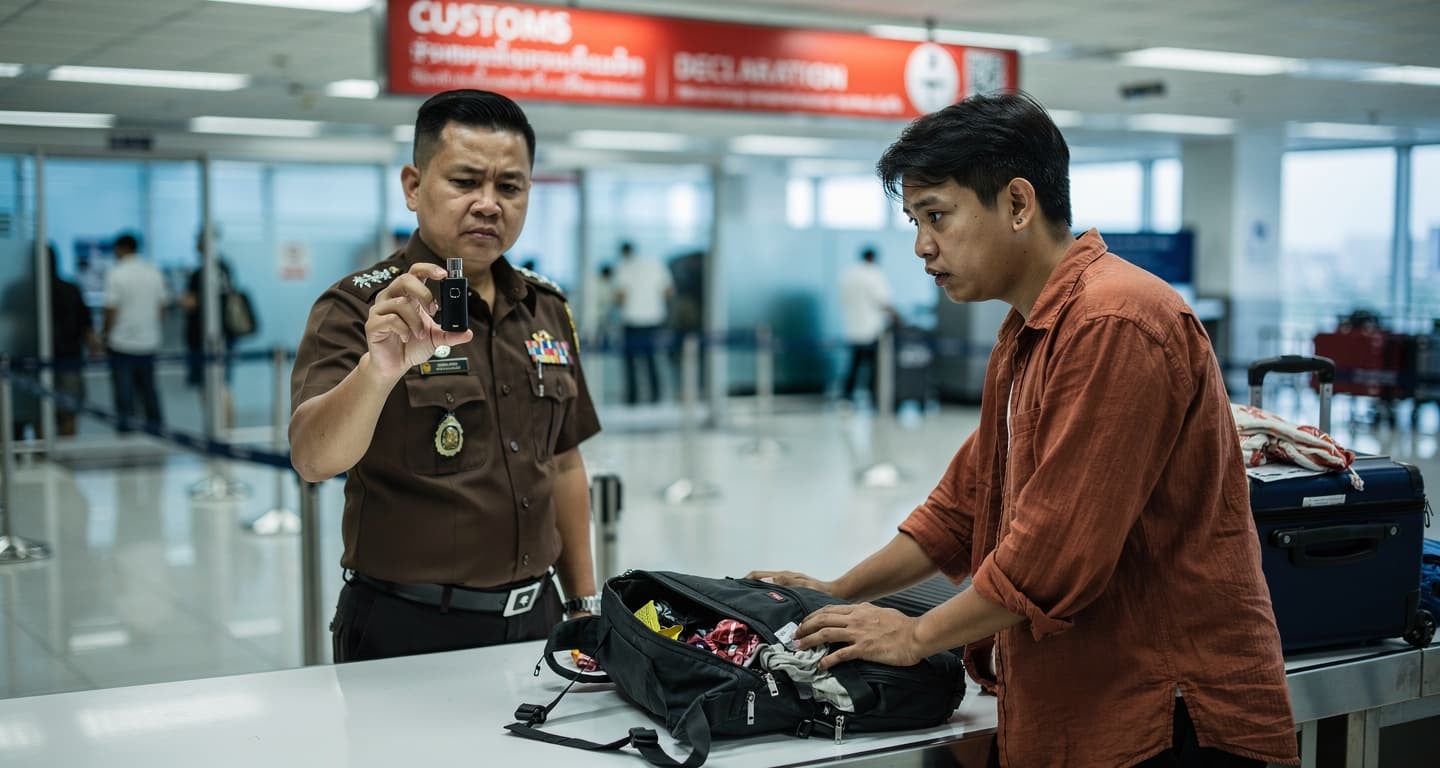
The Department of Agriculture’s current airport fine amounts are non-negotiable—officers have no discretion to waive penalties once an undeclared item is discovered. The only protection: ticking “Yes” on the Incoming Passenger Card before you reach the inspection line.
| Risk Level | Penalty Units | Fine Amount (AUD) | Example Goods | Biosecurity Act Section |
|---|---|---|---|---|
| Standard undeclared | 2 | $660 | Packaged snacks, commercial chocolate | s126(2), s128(2) |
| High-risk undeclared | 6-12 | $1,980-$3,960 | Fresh meat, seeds, soil, wooden crafts | s532(1), s533(1) |
| Concealed | 20 | $6,600 | Hidden plant material, false-bottom luggage | s186A(1) |
| Court prosecution | 300-1200 | $99,000-$396,000 | Commercial smuggling, repeat offenders | Multiple sections |
What 64 tonnes of seized meat tells you about enforcement priorities
The 2025 enforcement statistics reveal where biosecurity officers focus their attention. Of the 359,000 traveler inspections, detector dogs initiated 40,000 secondary screenings—an 11% hit rate that demonstrates the effectiveness of canine units trained to identify meat, plant material, and soil traces. The 64 tonnes of confiscated meat represents roughly 176 kilograms per day across all Australian entry points, with peak volumes during Lunar New Year (January-February) when travelers from Asia-Pacific routes carry traditional food gifts.
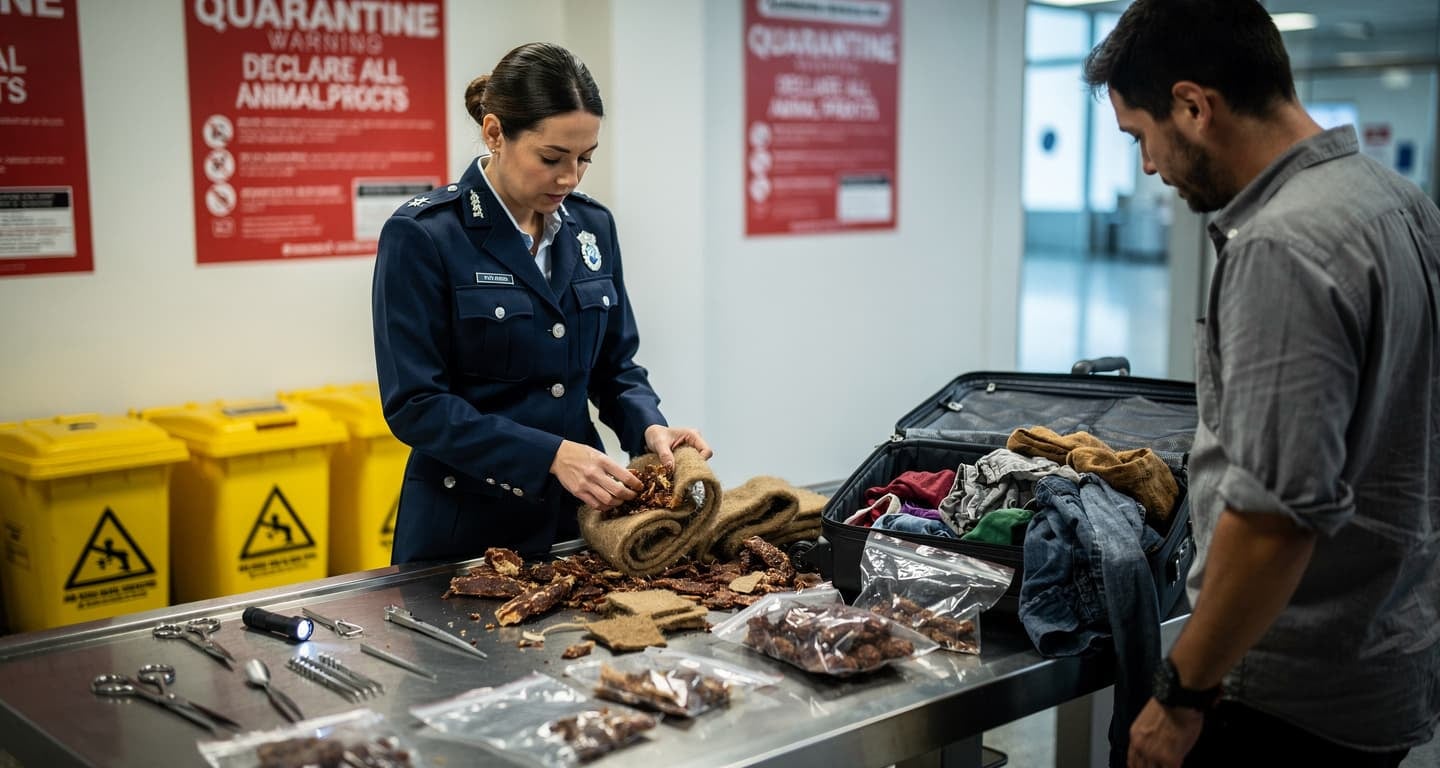
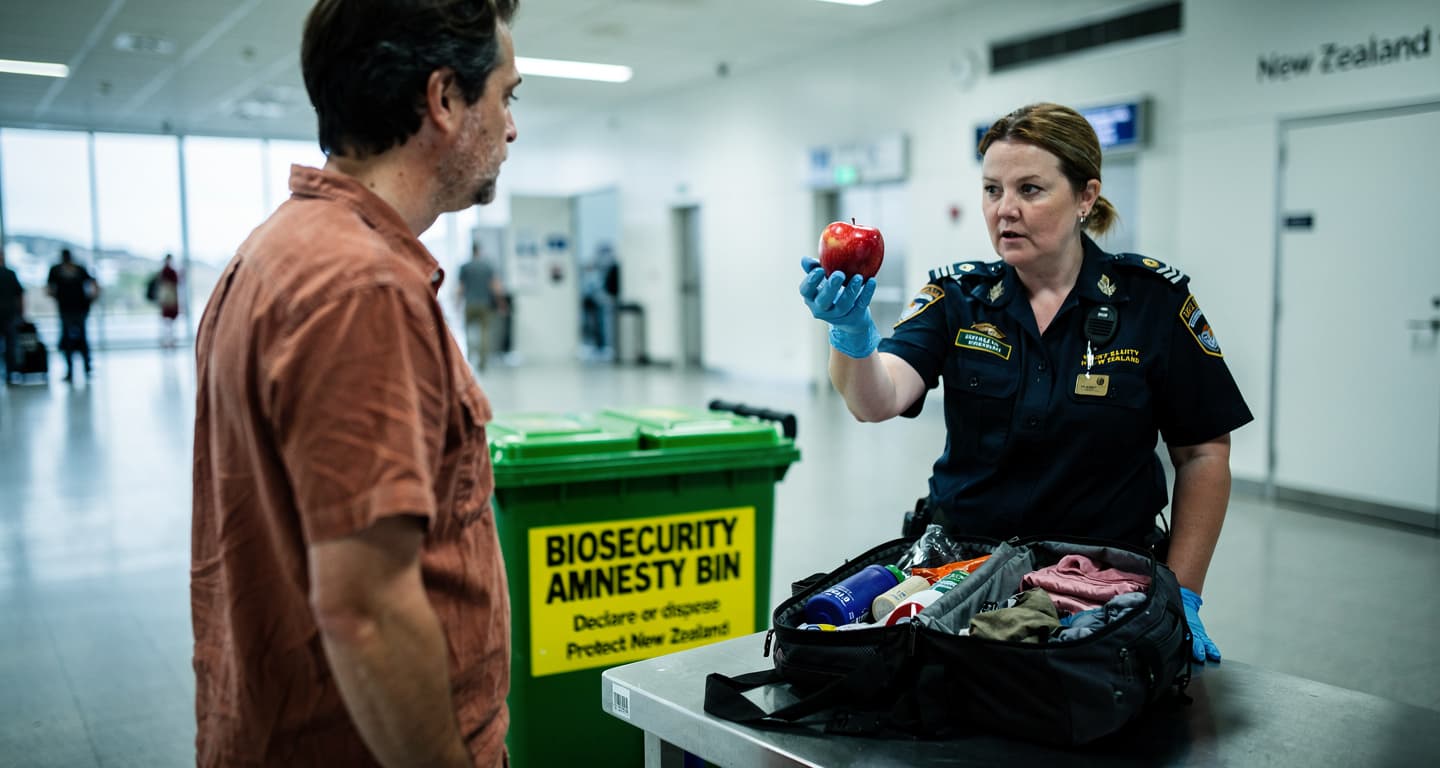
High-risk goods are determined by the Director of Biosecurity and published in the Federal Register of Legislation. The list includes all fresh and dried meat products, dairy (except infant formula in original packaging), seeds and nuts, soil or items with soil attached, fresh fruits and vegetables, wooden items (including hiking sticks), and traditional medicines containing animal or plant material. A single undeclared apple triggers the same inspection protocol as a suitcase of dried fish—both require secondary screening and potential fine issuance.
Real case data: In May 2023, a passenger at Brisbane Airport received the first-ever $5,500 fine (20 penalty units at the then-current $275 rate) for concealing seeds and bark in luggage. The concealment determination hinged on the items being wrapped in clothing layers and placed in a bag’s false bottom. Had the passenger declared the items on the Incoming Passenger Card, the seeds would have been confiscated without penalty—the same outcome minus the $5,500 cost.
Flight deals
most people never see
Our AI monitors 150+ airlines for pricing anomalies that traditional search engines miss. Air Traveler Club members save $650 per trip per person on average: see how it works.
Each deal saves 40–80% vs. regular fares:

Why declaration is a zero-cost insurance policy
The Incoming Passenger Card’s biosecurity section asks a single yes/no question: “Are you bringing into Australia any food, plant material or animal products?” Ticking “Yes” triggers a conversation with a biosecurity officer, not an automatic fine. Officers inspect declared items, confiscate prohibited goods, and allow compliant items through. No fine is issued for declared items, even if they’re on the prohibited list.
This creates a risk-free declaration strategy: when in doubt, tick “Yes.” The worst outcome is confiscation of a $3 apple. The best outcome is keeping compliant items (sealed commercial snacks, certain packaged foods) that would have been fine anyway. The alternative—ticking “No” and hoping detector dogs miss your backpack—carries a minimum $660 penalty and potential visa complications for repeat offenders.
Visa holders face additional consequences beyond fines. The Department of Home Affairs can cancel visas for biosecurity breaches, particularly for travelers with prior violations. The 2025 enforcement data notes multiple visa cancellations, though exact numbers aren’t published. For Working Holiday Visa holders, student visa holders, or those on multi-year work visas, a $1,980 fine for undeclared meat could trigger deportation proceedings—a disproportionate outcome for forgetting to discard an airline meal.
The airline meal trap that catches 40% of first-time visitors
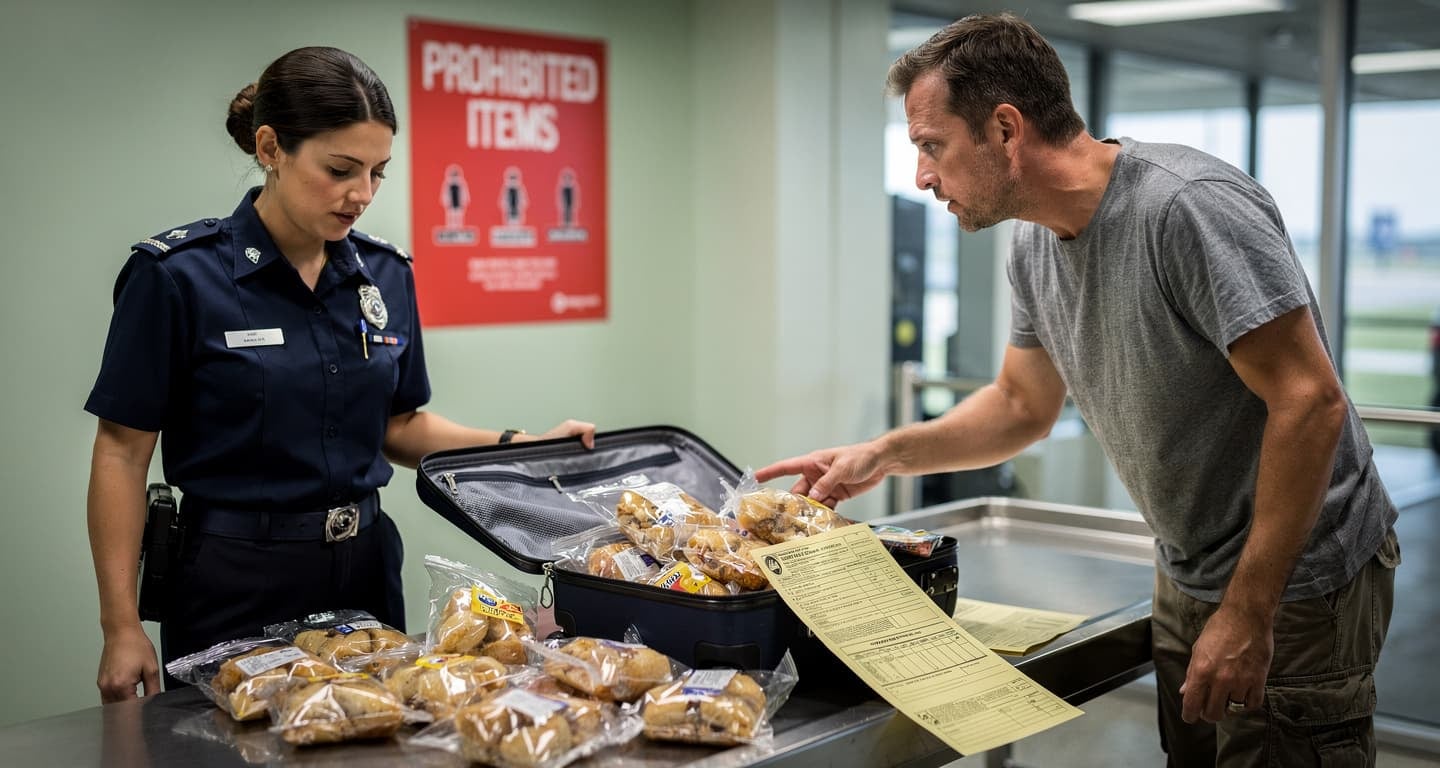
Long-haul flights from Europe and North America serve meals 1-2 hours before landing in Australia—precisely when passengers are tired and focused on arrival logistics. That uneaten sandwich, the fruit cup you saved for later, or the cheese and crackers in your seat pocket all become biosecurity risks the moment you land. Officers report that airline meal remnants account for roughly 40% of inadvertent violations among first-time visitors. The solution: discard all airline food in the galley trash before disembarking, or declare it on the card if you’ve already packed it. Flight attendants on Australia-bound routes typically make announcements about this, but fatigue and language barriers mean many passengers miss the warning.
The pre-landing checklist that prevents $660-$6,600 mistakes
Implement this sequence 90 minutes before landing at any Australian airport:
- Empty all bags onto your tray table. Check every pocket, including laptop sleeves, toiletry bags, and jacket pockets. Hiking boots often contain soil traces. Camera bags frequently hold forgotten trail snacks.
- Discard all airline food in galley trash. This includes sealed items, fruit cups, and packaged snacks from the meal service. Do not pack them “for later.”
- Review wooden items and souvenirs. Carved figures, chopsticks, decorative boxes—all require declaration. Bamboo items are plant material. Cork products are plant material.
- Check traditional medicines and supplements. Anything containing animal or plant ingredients (ginseng, deer antler, herbal teas) must be declared. Original packaging helps but doesn’t exempt the item.
- Tick “Yes” on the Incoming Passenger Card if you have any doubt. The card is distributed during the flight. Complete it before landing, not in the immigration queue.
For families traveling with children, assign one adult to check all family members’ bags. Kids’ backpacks are common violation sources—forgotten school snacks, playground finds (acorns, interesting sticks), or souvenirs from earlier trip segments all trigger inspections.
When the standard rules break down: transit passengers and mail parcels
Transit passengers who enter the terminal (even without clearing immigration) fall under biosecurity rules. If you’re connecting through Sydney to Auckland and leave the gate area to visit duty-free shops, you’re subject to inspection. The same applies to cruise ship passengers on shore excursions—returning to the ship with fresh fruit purchased in port can result in fines when the ship docks at the next Australian port.
Mail and courier parcels face separate but equally strict rules. The 2025 enforcement data notes significant seizures from international mail, though specific volumes aren’t published. Sending food, seeds, or plant material to friends in Australia via postal service doesn’t bypass biosecurity—it simply shifts the inspection point to mail processing facilities. Recipients can face fines if prohibited items arrive without proper import permits.
Commercial imports operate under a different regulatory framework with higher penalties. The 2025 data includes a $1 million fine for illegal grape imports, demonstrating the scale of commercial enforcement. Travelers carrying goods for business purposes (samples, gifts for clients) should verify import requirements through the Department of Agriculture’s Biosecurity Import Conditions (BICON) database before departure.
Questions? Answers.
What counts as high-risk goods for the $1,980-$3,960 fine tier?
All fresh and dried meat, dairy products (except infant formula in original packaging), seeds and nuts, soil